


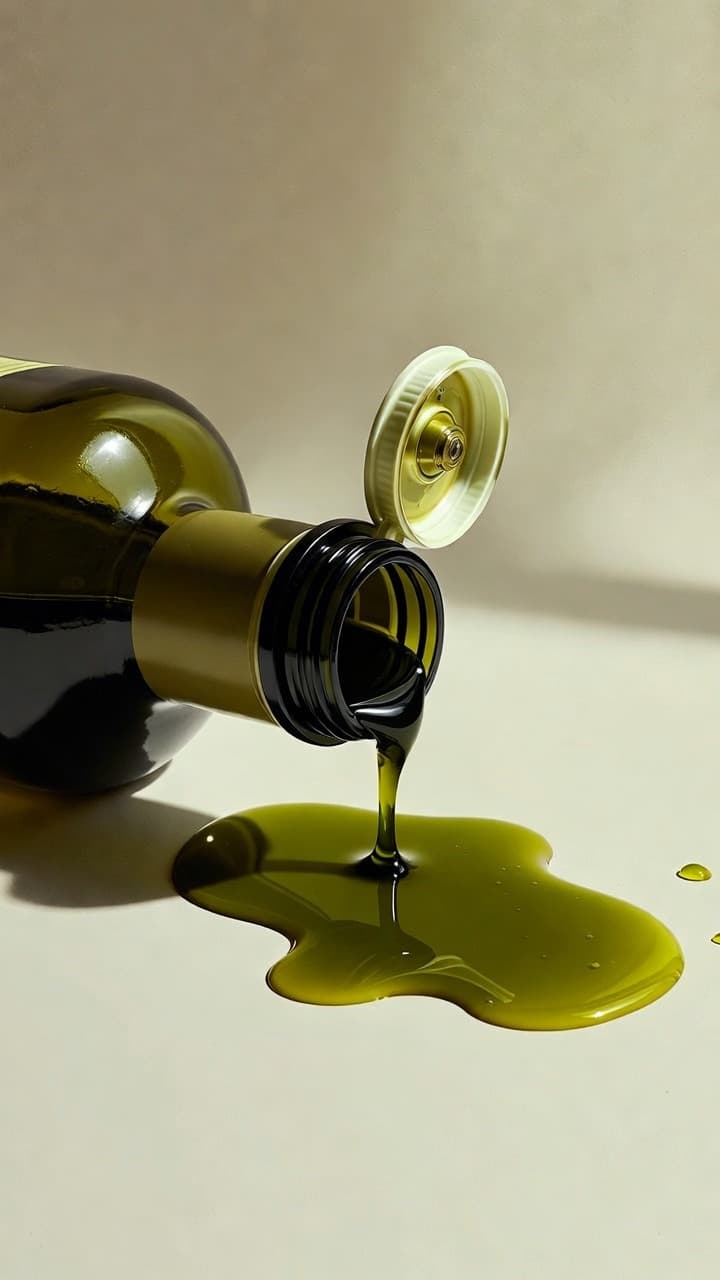
All the olive oils we offer for sale are Extra Virgin Olive Oil.
oliveOilsInfo.hero.p2
What is extra virgin olive oil?
What are cold pressing and hot extraction?
What are Early Harvest and Mature Harvest Olive Oils?
Why does olive oil freeze too early or too late in cold weather?
Why does olive oil burn the throat?
Why does olive oil have a vibrant green or golden yellow color?
Everything else you need to know about olive oil.
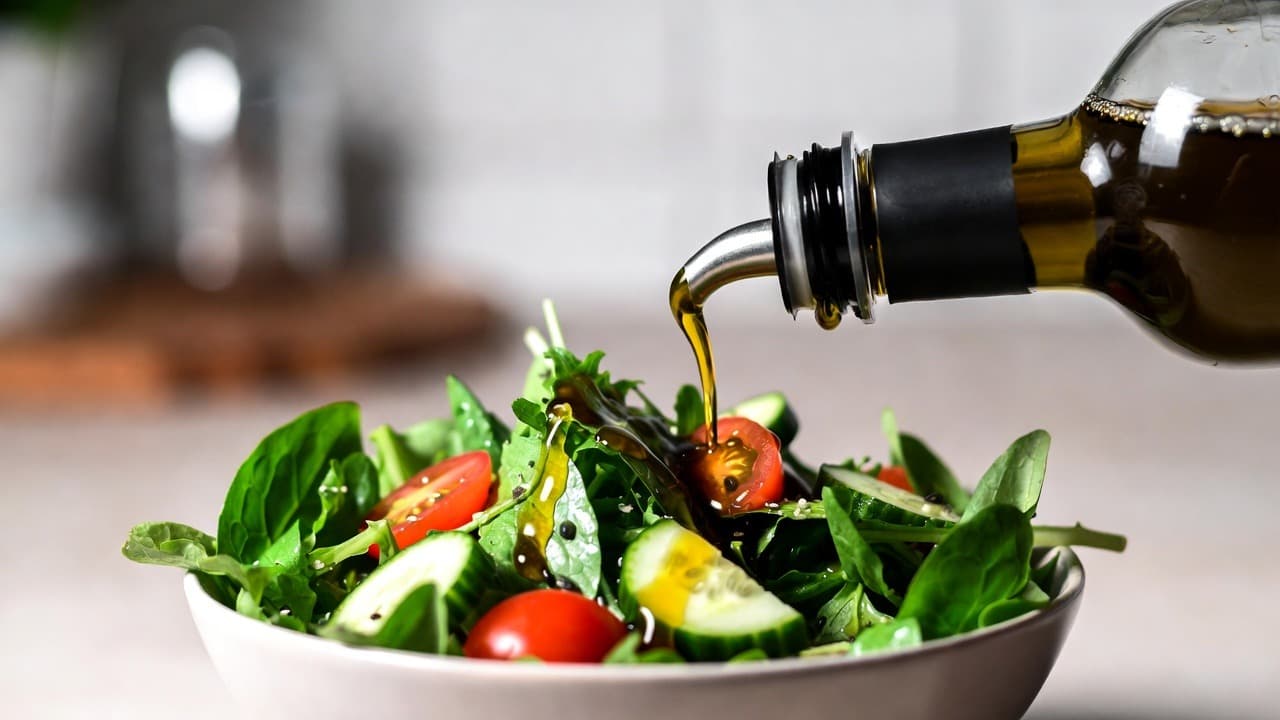
Natural Extra Virgin Olive Oil
This is the highest quality and most natural olive oil. It is obtained by mechanically pressing olives only, without any chemical processing. The free oleic acid content is below 0.8%. It stands out with its fruity aroma, unique scent, and intense flavor.
Natural Virgin Olive Oil
This is a natural olive oil suitable for direct consumption. Its free oleic acid content is between 0.8% and 2%. Its flavor is slightly milder than that of extra virgin olive oil.
Riviera Olive Oil
It is produced by mixing a certain amount of refined olive oil with a specific amount of natural olive oil. Because of its milder taste and aroma, it is generally preferred in cooking.
Refined Olive Oil
It is obtained by refining crude olive oil. Its odor and taste characteristics are greatly reduced. It is generally not consumed on its own, but is used in blends with other oils or in cooking.
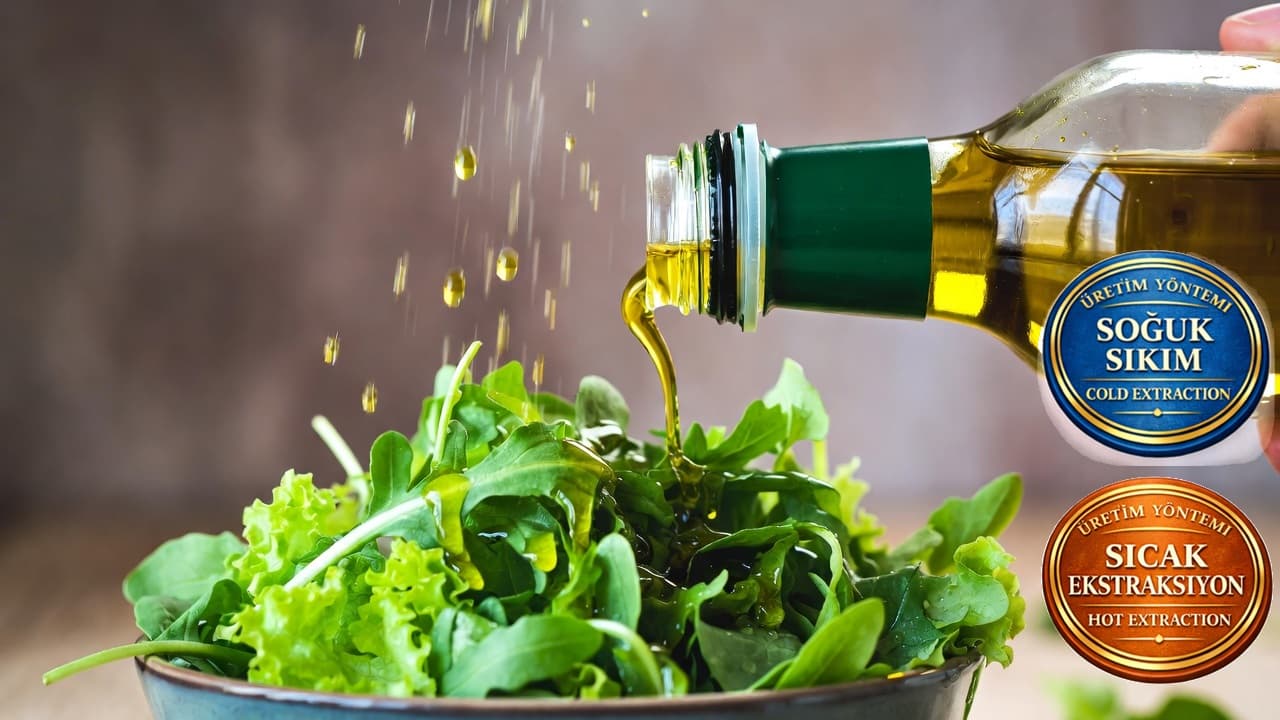
Cold Press / Cold Extraction
This is a production method where the temperature is kept below 27°C during the processing of the olive paste. This method better preserves the natural aroma, vitamins, and phenolic components of the olive oil. It is one of the most valuable production methods in terms of quality and nutritional value.
Hot Extraction
This production method involves processing the olive paste at temperatures above 27°C during kneading and separating. In practice, it is usually carried out in the range of 30°C – 45°C. This method increases oil yield; however, due to the high temperature, some aromatic components and phenolic compounds in the olive oil may be partially reduced. Therefore, cold pressing is mostly preferred in quality-focused production.
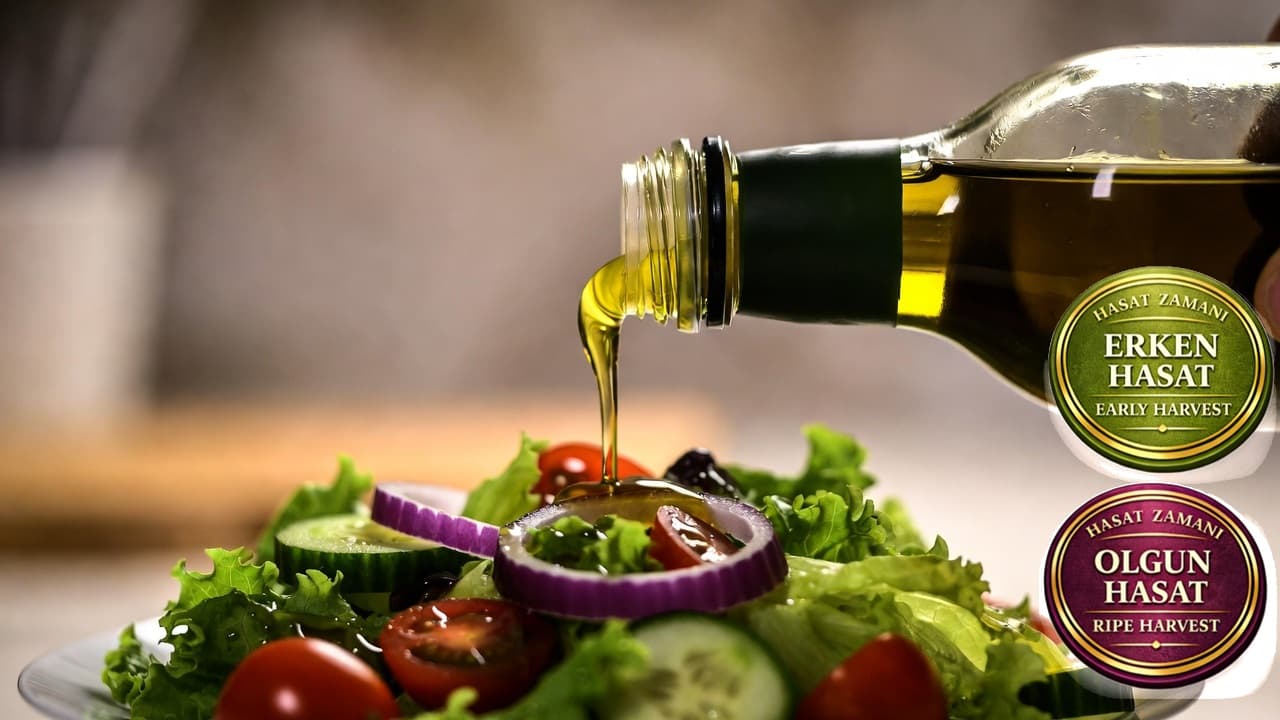
Early Harvest Olive Oil
Early harvest olive oil is obtained by harvesting olives before they are fully ripe, usually while they are green or green-purple. At this stage, the levels of phenolic compounds and antioxidants in the olives are higher. Early harvest olive oils exhibit intense fruitiness, a distinct aroma, a slight bitterness, and a burning sensation in the throat. Additionally, due to the high chlorophyll content in the olives, the oil's color is generally a more vibrant green. Although the oil yield is lower, it is highly valuable in terms of quality and nutritional value.
Mature Harvest Olive Oil
Olive oil is obtained by harvesting olives when they are fully ripe and have turned a purplish-black color. At this stage, the oil content in the olives is higher, thus increasing oil yield. Ripe harvest olive oils generally have a smoother taste, a more balanced character, and a milder aroma. As olives ripen, chlorophyll decreases and carotenoid pigments become more prominent, therefore the oil's color can be golden yellow or yellow-green.
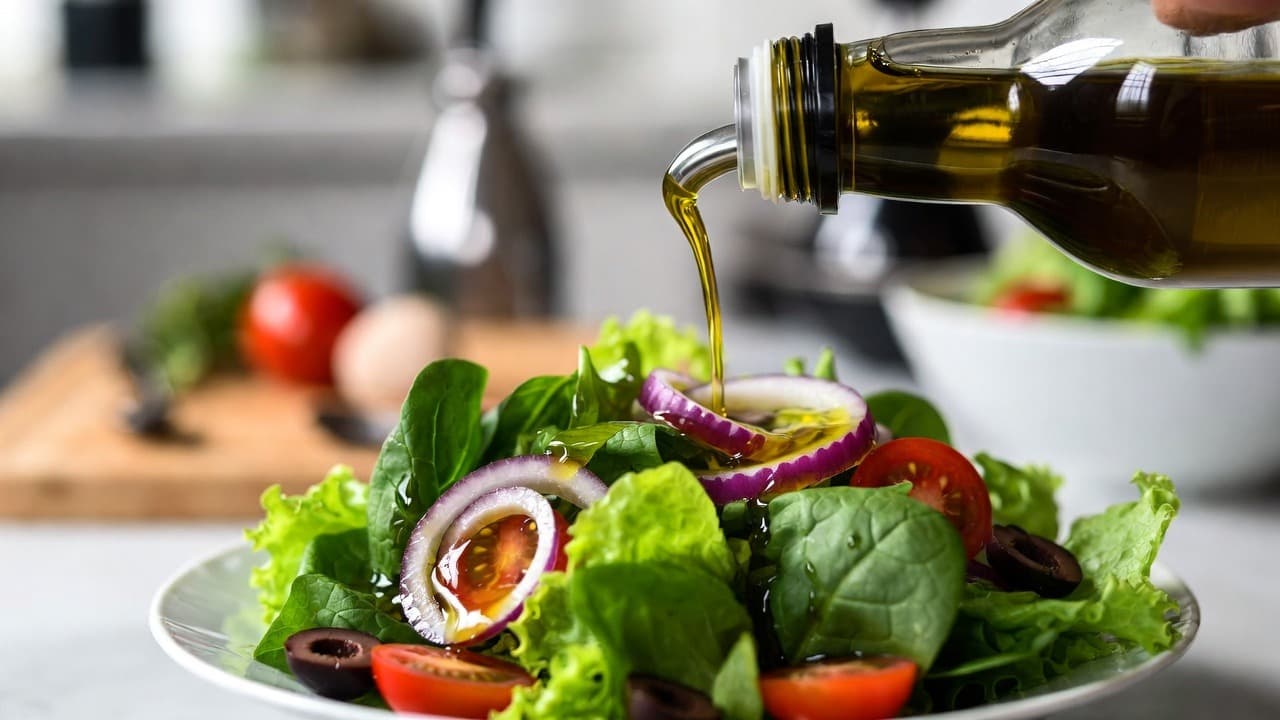
Whether Olive Oil Freezes Early or Late in Cold Weather
Olive oil, by its natural composition, can condense or freeze at low temperatures. This does not indicate that the oil has spoiled; rather, it is a consequence of its natural properties.
Olive oil generally begins to cloud at temperatures of 8°C – 10°C and below, and may partially or completely freeze at even lower temperatures.
Whether olive oil freezes quickly or late in the refrigerator depends on several natural factors:
Fatty Acid Composition: The ratio of oleic acid to other fatty acids in olive oil affects its freezing behavior. Some oils freeze at lower temperatures than others.
Natural Waxes and Solid Components: Natural waxes and some solid components that pass through the olive peel can crystallize at low temperatures, causing the oil to solidify faster.
Filtration Status: Microscopic olive particles found in unfiltered olive oils can accelerate the freezing process.
Harvest Time and Olive Variety: The freezing behavior of oils obtained from early harvests or different olive varieties may vary.
Therefore, whether olive oil freezes quickly or slowly in the refrigerator is not the sole criterion determining its quality. When brought to room temperature, the olive oil returns to its natural state and does not lose its properties.
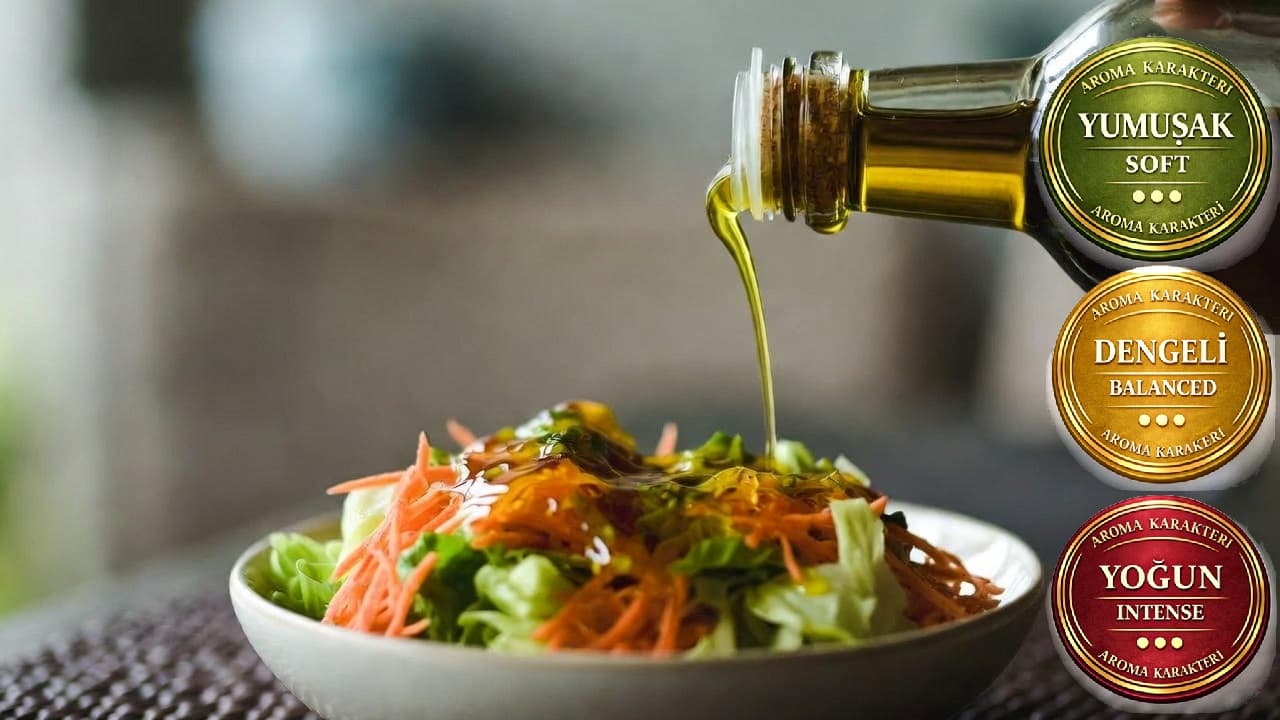
Why does olive oil burn the throat?
The slight burning or tingling sensation in the throat felt with high-quality extra virgin olive oils is due to the oil's natural composition. This is caused by the presence of phenolic compounds in olive oil.
Oleocanthal, oleuropein, and other polyphenols found in olive fruit and transferred to olive oil give it both its unique aroma and valuable health benefits. These compounds may also cause a slight burning sensation in the throat.
Especially in early harvest olive oils, the proportion of phenolic compounds is higher, so a pungent taste and slight bitterness may be more pronounced.
Therefore, the slight burning sensation that olive oil causes in the throat is often considered one of the indicators of high quality and natural production.
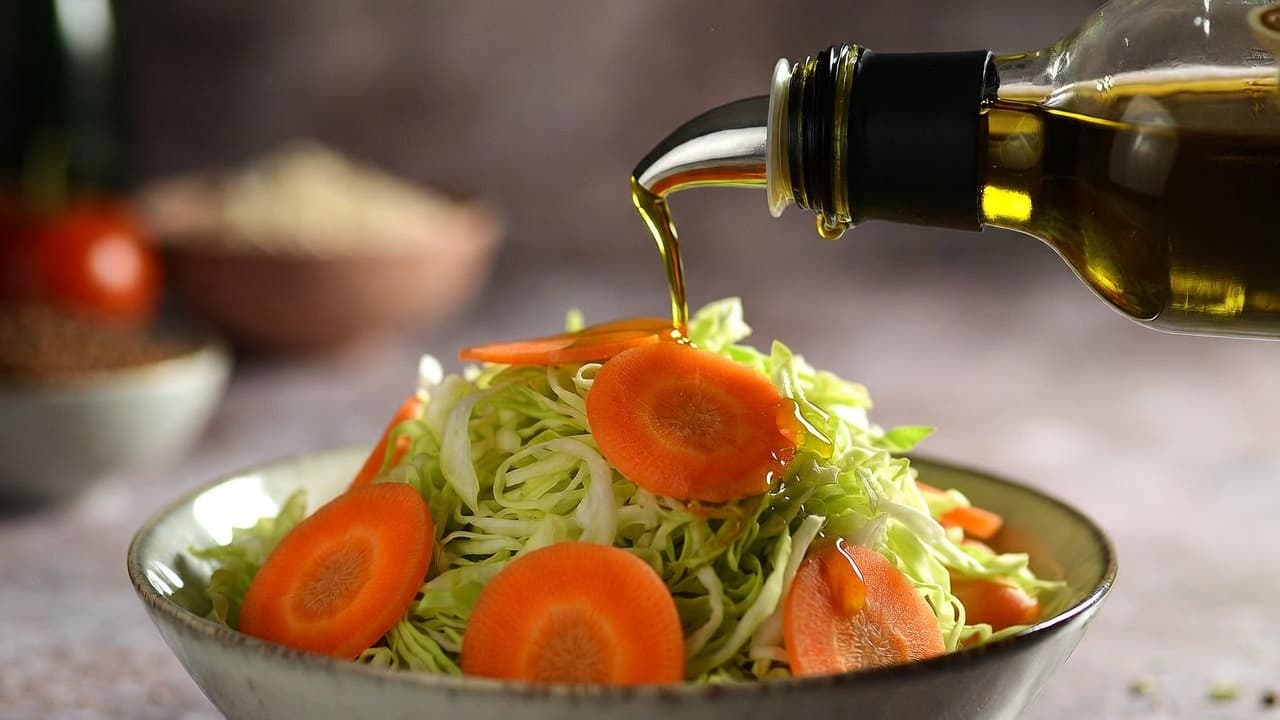
How Should Olive Oil Be Stored and Why Do We Prefer Tin Packaging?
Olive oil, by its very nature, is a valuable product susceptible to light, air, and high temperatures. Therefore, both proper storage conditions and appropriate packaging choices are crucial in preserving the oil's aroma and quality.
It is recommended to store olive oil in a cool, dry place away from light. Direct sunlight can accelerate the photo-oxidation process in olive oil, leading to a loss of aroma and quality over time.
Therefore, we prefer to offer our products in tin can packaging that completely blocks out light. Tin packaging protects the olive oil from the harmful effects of light, helping to preserve its natural aroma and antioxidant content for longer.
Studies show that even under proper storage conditions, some natural components in olive oil can decrease over time. Under average conditions:
In glass packaging exposed to light, a reduction of approximately 20–40% in phenolic compounds may be observed within one year.
In tin packaging that completely blocks light, this loss is generally in the range of 10–25%.
While tin packaging offers a significant advantage in terms of light protection, its metallic structure allows it to conduct ambient heat more quickly. Therefore, it is recommended to store olive oil in cool environments and away from heat sources.
With the right packaging and proper storage conditions, extra virgin olive oil can retain its natural aroma, fruitiness, and characteristic properties for a long time.
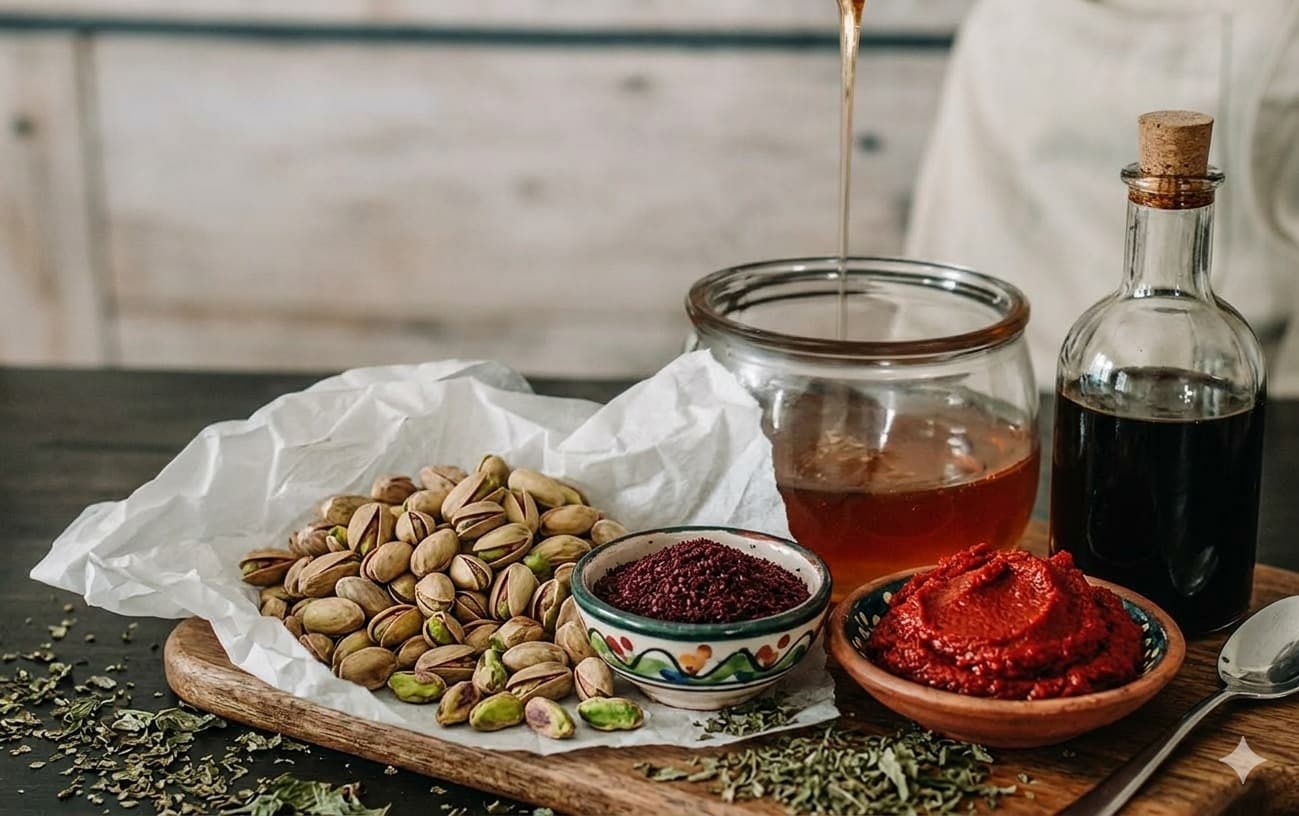
The Finest Flavors of Anatolia